
The allure of gambling: Why people are drawn to casinos
The world of casinos is a vibrant blend of excitement and unpredictability, attracting millions of individuals each year. The psychological appeal of gambling lies in its promise of instant gratification and the allure of winning big. Many gamblers are driven by the thrill of taking risks, often finding a sense of exhilaration in the possibility of a life-changing jackpot. This need for excitement often stems from a desire to escape from daily stressors, creating an environment where the stakes feel high and the rewards are tantalizingly close. Among these enticing options are top bitcoin casinos, which offer unique advantages to players.
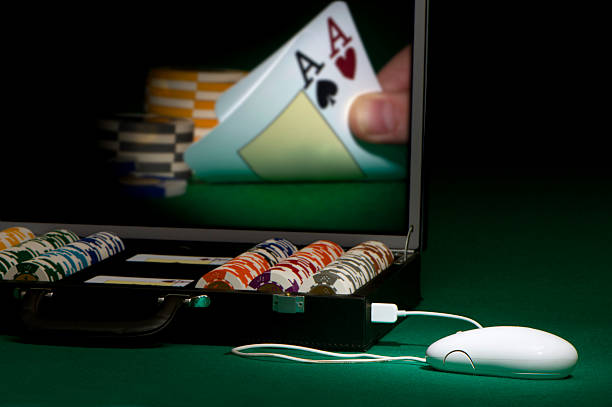
Furthermore, the sensory experiences of casinos—bright lights, engaging sounds, and the atmosphere of optimism—amplify this allure. This environment is meticulously designed to stimulate the brain’s reward pathways, provoking feelings of pleasure and reinforcing gambling behavior. In this way, individuals may find themselves locked in a cycle of repeated play, each time hoping for heightened excitement and the elusive success that keeps them returning.
The role of cognitive biases in gambling decisions
Cognitive biases significantly impact how people engage with gambling, often leading to irrational decision-making. One common bias is the illusion of control, where gamblers mistakenly believe they can influence the outcome of a game of chance, such as slots or roulette. This leads them to make riskier bets, convinced that they hold some power over their fate. Such cognitive distortions can perpetuate gambling habits, as individuals reinforce their beliefs through selective memory of their wins while overlooking losses.
Another prevalent cognitive bias in gambling is the gambler’s fallacy, which suggests that past events influence future outcomes in random situations. For instance, a person might believe that if a slot machine hasn’t paid out recently, it is “due” for a win. This misconception can fuel continued gambling, as players chase losses or feel compelled to play longer in hopes of a comeback. These cognitive patterns reveal how psychology can shape gambling behavior, often leading players deeper into the gambling experience.
The emotional rollercoaster of winning and losing
The emotional landscape of gambling is marked by extreme highs and lows that can significantly affect a player’s mindset and behavior. Winning can produce euphoric feelings, boosting self-esteem and reinforcing the gambler’s commitment to continue playing. Conversely, losing can lead to feelings of frustration, shame, or even desperation, prompting individuals to chase their losses by gambling even more. This emotional rollercoaster can create a cycle that compels individuals to engage in gambling habits that they may otherwise want to avoid.
Additionally, the emotional responses tied to gambling can lead to dependency issues for some individuals. As players become more entrenched in the ups and downs, they may struggle to recognize the negative impact of their behavior. Over time, the emotional highs associated with wins may overshadow the long-term consequences of their losses, reinforcing a problematic relationship with gambling and further entrenching their habits.
The impact of social influences on gambling behavior
Social factors play a crucial role in shaping an individual’s gambling habits. Peer influences, social settings, and cultural attitudes toward gambling can significantly impact one’s propensity to gamble. For instance, individuals who frequent casinos with friends may feel social pressure to partake in gambling activities, often by adopting a group mentality. This sense of community can enhance the excitement and enjoyment of gambling, making it a shared experience that individuals are less inclined to resist.
Moreover, media portrayals of gambling as glamorous and lucrative can shape societal attitudes, normalizing the behavior and encouraging participation. Social media platforms also contribute to this phenomenon, as influencers and celebrities often share their gambling experiences, further glamorizing the activity. As gambling becomes more socially acceptable, individuals may be more likely to engage in gambling even if they do not fully understand the risks and consequences involved.

Empowering your gambling experience with knowledge
Understanding the psychology behind gambling habits is crucial for players looking to navigate their experiences responsibly. By being aware of cognitive biases, emotional responses, and social influences, individuals can make more informed decisions regarding their gambling activities. Education and awareness can empower players to recognize when their habits may be veering into problematic territory, allowing them to set boundaries to maintain their enjoyment of the game without losing control.
Ultimately, responsible gambling encompasses a blend of knowledge, self-awareness, and mindfulness. Engaging with platforms that provide insights into gambling behaviors can enhance the player experience, ensuring that the thrill of play remains a source of enjoyment rather than a path to addiction. The goal is to create a sustainable and pleasurable gaming environment, allowing individuals to explore their interests while remaining cognizant of their limits.